Preparing Those Who Protect Our Nation

2025: Building Preparedness, Strengthening Response

Reflecting on the achievements of 2025, the National Domestic Preparedness Consortium (NDPC) remains steadfast in its commitment to strengthening our nation's preparedness. Our mission to equip emergency responders with the knowledge and skills needed to effectively prevent, prepare for, and respond to all hazards remains as vital as ever.

In 2025, the NDPC delivered a portfolio of more than 200 courses, trained 218,926 individuals, and provided our nation's emergency responders with 2,088,609 contact training hours in every state and territory. Additionally, in preparation for the 2026 FIFA Men's World Cup, the NDPC conducted training across host and supporting jurisdictions to ensure first responders are ready to protect the millions of spectators, athletes, and personnel expected to attend. With over 100,000 responders trained for World Cup, the NDPC's commitment to public safety remains unwavering for large scale events such as this, as well as events of all shapes and sizes.

The NDPC's strength lies in our ability to deliver effective, timely, relevant, and high-quality training to state, local, tribal, and territorial jurisdictions. As one of the nation's leading providers of preparedness training, the NDPC brings training directly to the jurisdictions it serves, addressing region-specific needs, strengthening training outcomes, and minimizing the operational burden on local responders and jurisdictions.

The Consortium's distributed, partner-driven network of instructors and subject matter experts allows for scalable, standardized delivery and a coordinated, multidisciplinary approach. This unique collaboration is the foundation for resilient, operational preparedness on a national scale.

It is truly an honor to represent a consortium with this noble mission: to train first responders and to strengthen preparedness and resilience in the years ahead. The NDPC remains committed to supporting those who serve on the front lines and strengthening national preparedness in the years ahead.

Signature of Tracy Foster Tracy Foster Chairman, National Domestic Preparedness Consortium
Deputy Agency Director, Texas A&M Engineering Extension Service
Training Millions of First Responders Across the Nation Since 1998.

Ensuring Safety and Preparedness in Communities Nationwide.

4224323

Trained Participants

Keeping Our Nation Safe Through Training

NDPC FY25 by the Numbers

Individuals Trained

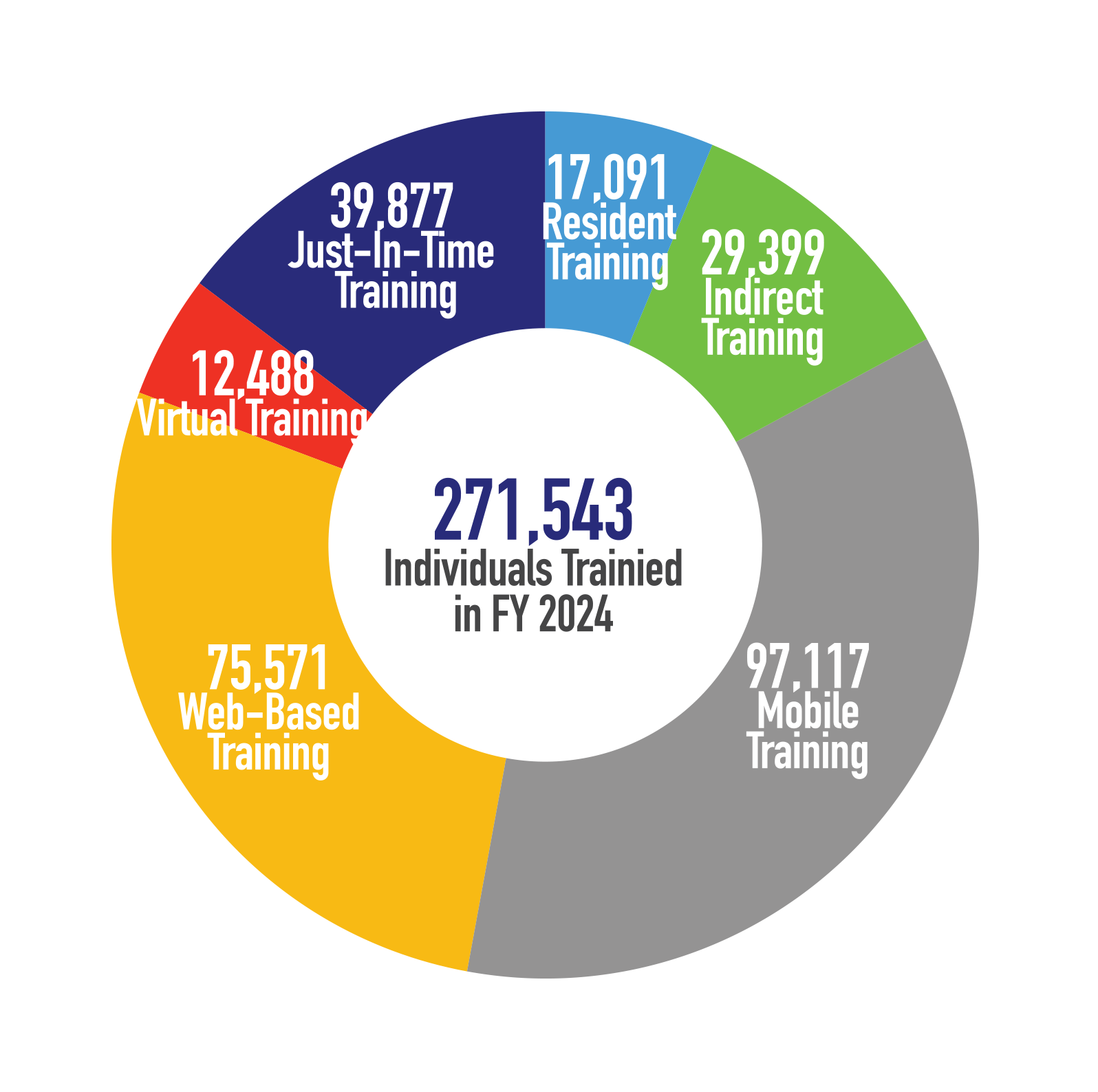
  • 218,926 individuals trained in FY 2025: 84,452 Mobile Training, 74,621 Web-Based Training, 25,946 Indirect Training, 13,410 Virtual Training, 13,084 Resident Training, and 7,413 Just-In-Time Training.

Contact Training Hours

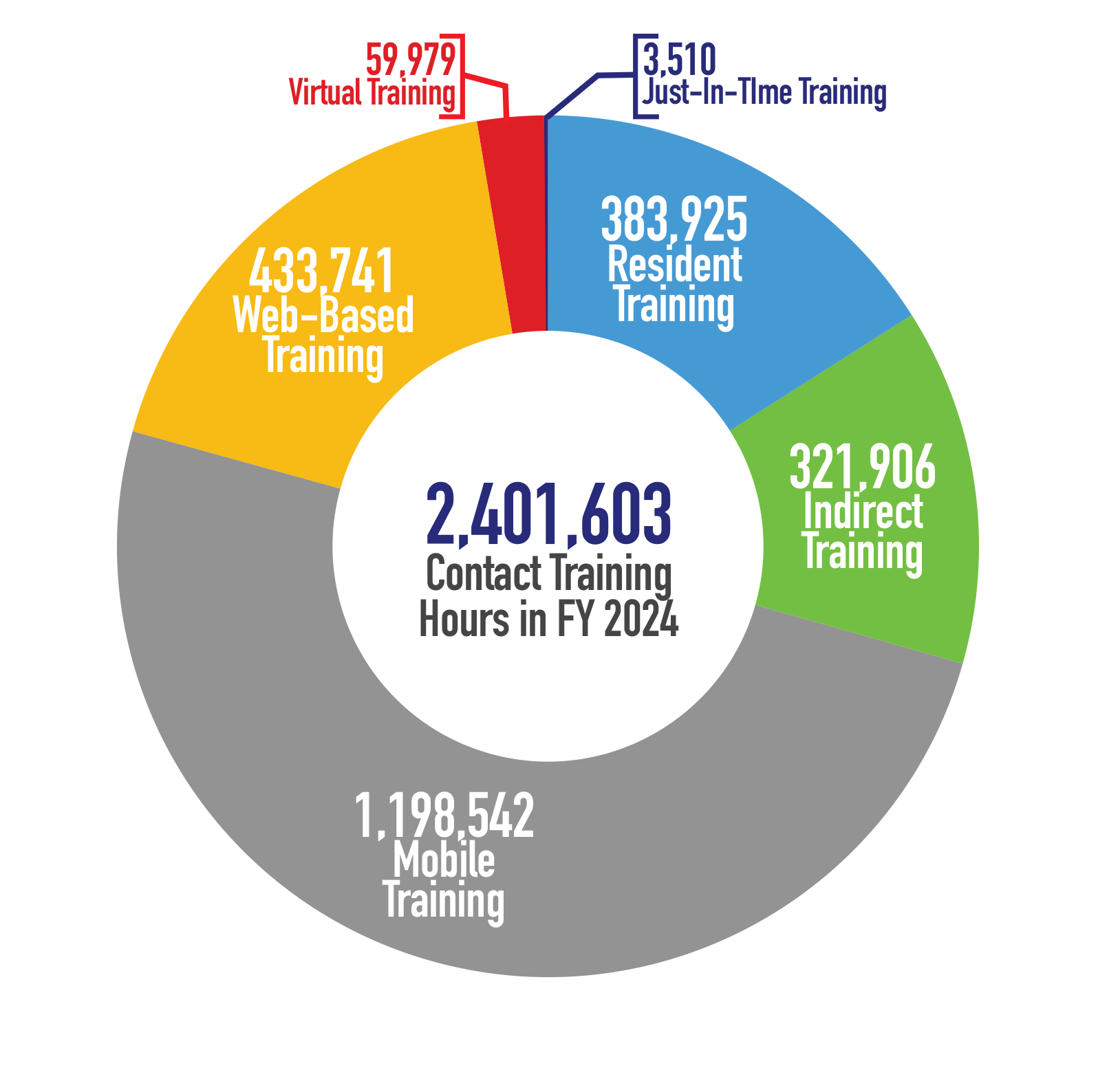
  • 2,088,609 contact training hours in FY 2025. The chart labels 1,037,319 Mobile Training hours, 458,009 Web-Based Training hours, 306,099 Resident Training hours, 231,322 Indirect Training hours, 54,718 Virtual Training hours, and 1,143 Just-In-Time Training hours. The component labels sum to 2,088,610, one more than the printed total.

Training Delivered

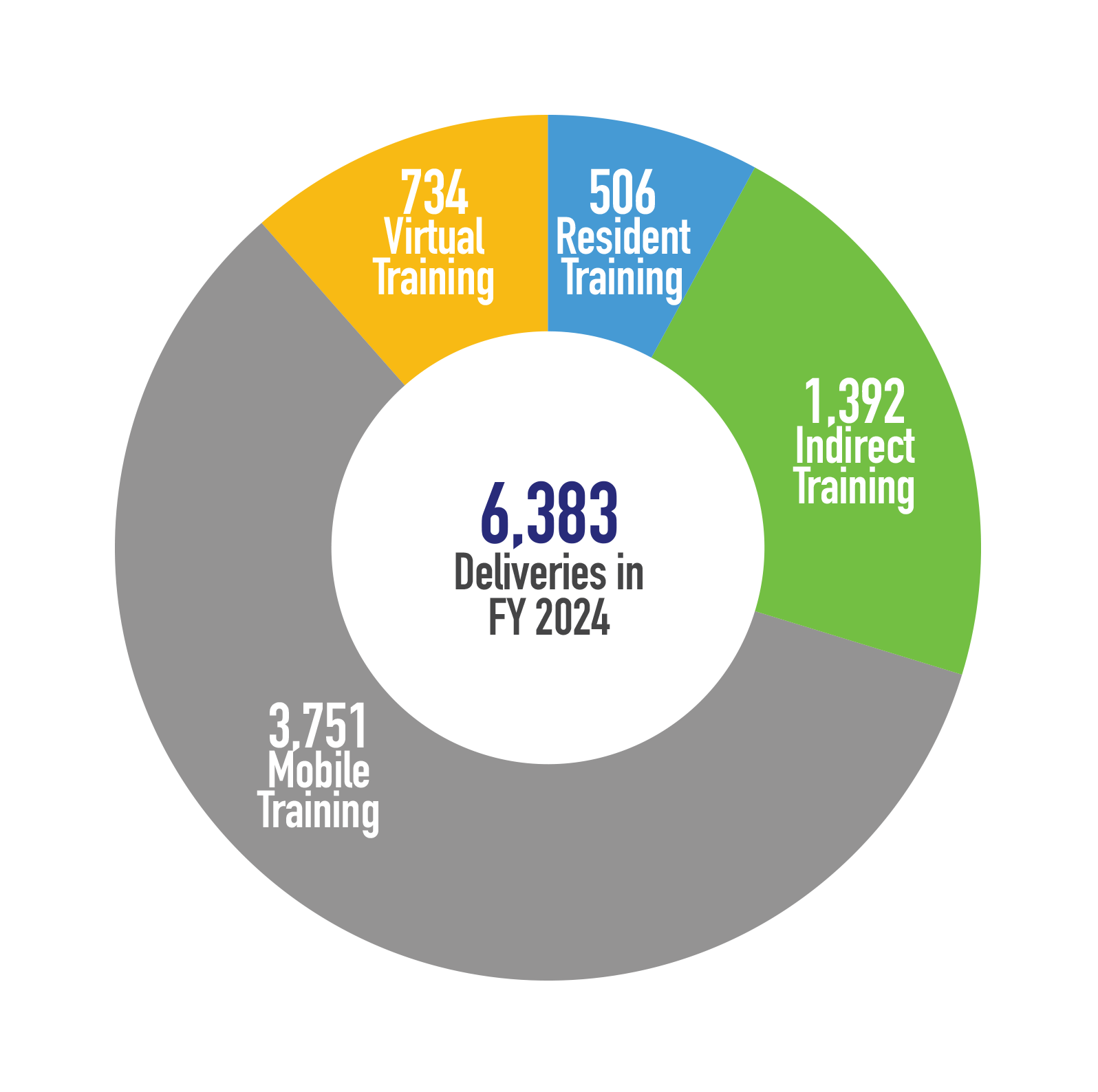
  • 5,849 training deliveries in FY 2025: 3,277 Mobile Training, 1,384 Indirect Training, 806 Virtual Training, and 382 Resident Training.

Individuals Trained Online

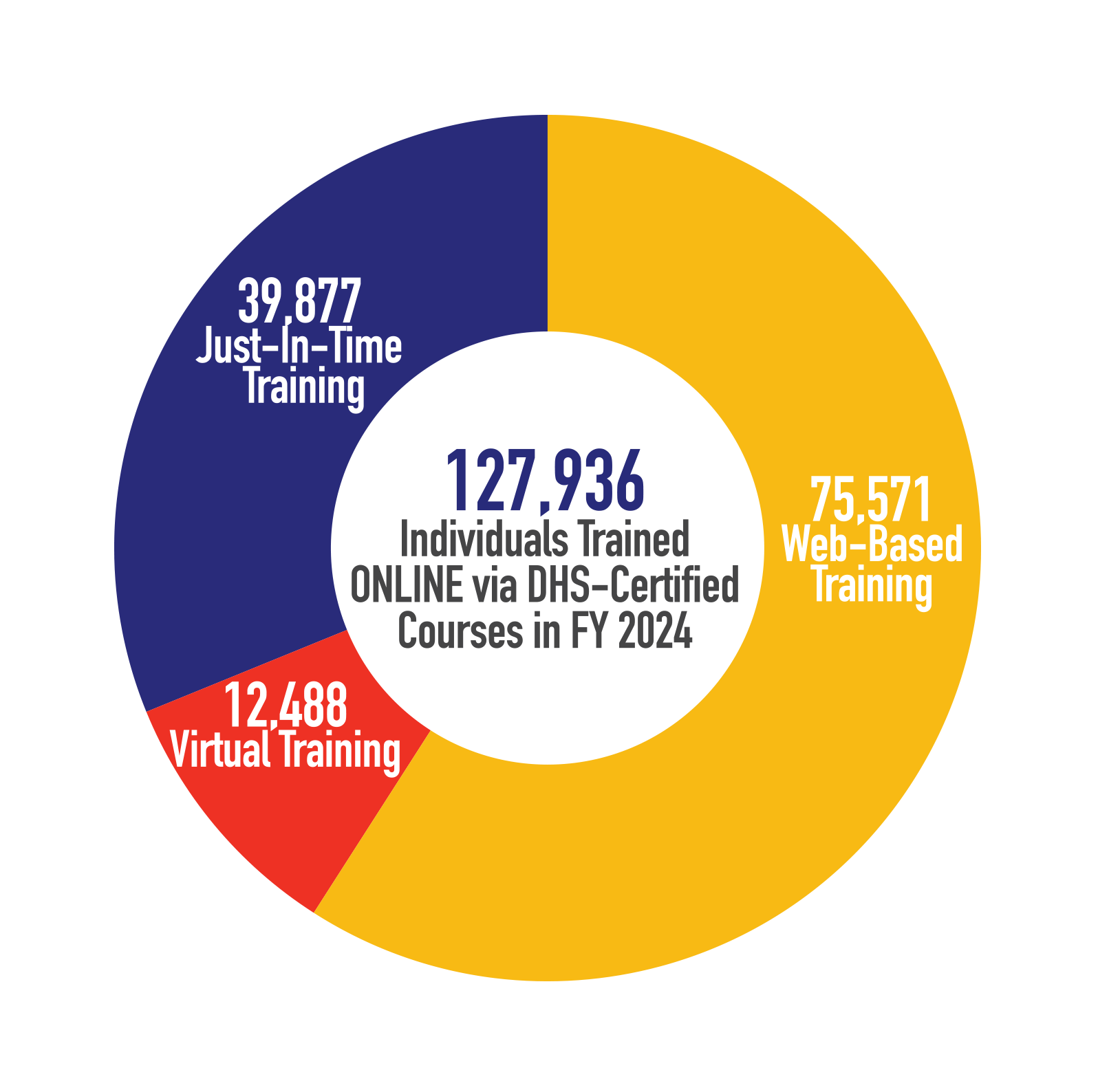
  • 95,444 individuals trained online via DHS-certified courses in FY 2025: 74,621 Web-Based Training, 13,410 Virtual Training, and 7,413 Just-In-Time Training.

Subject Matter Experts

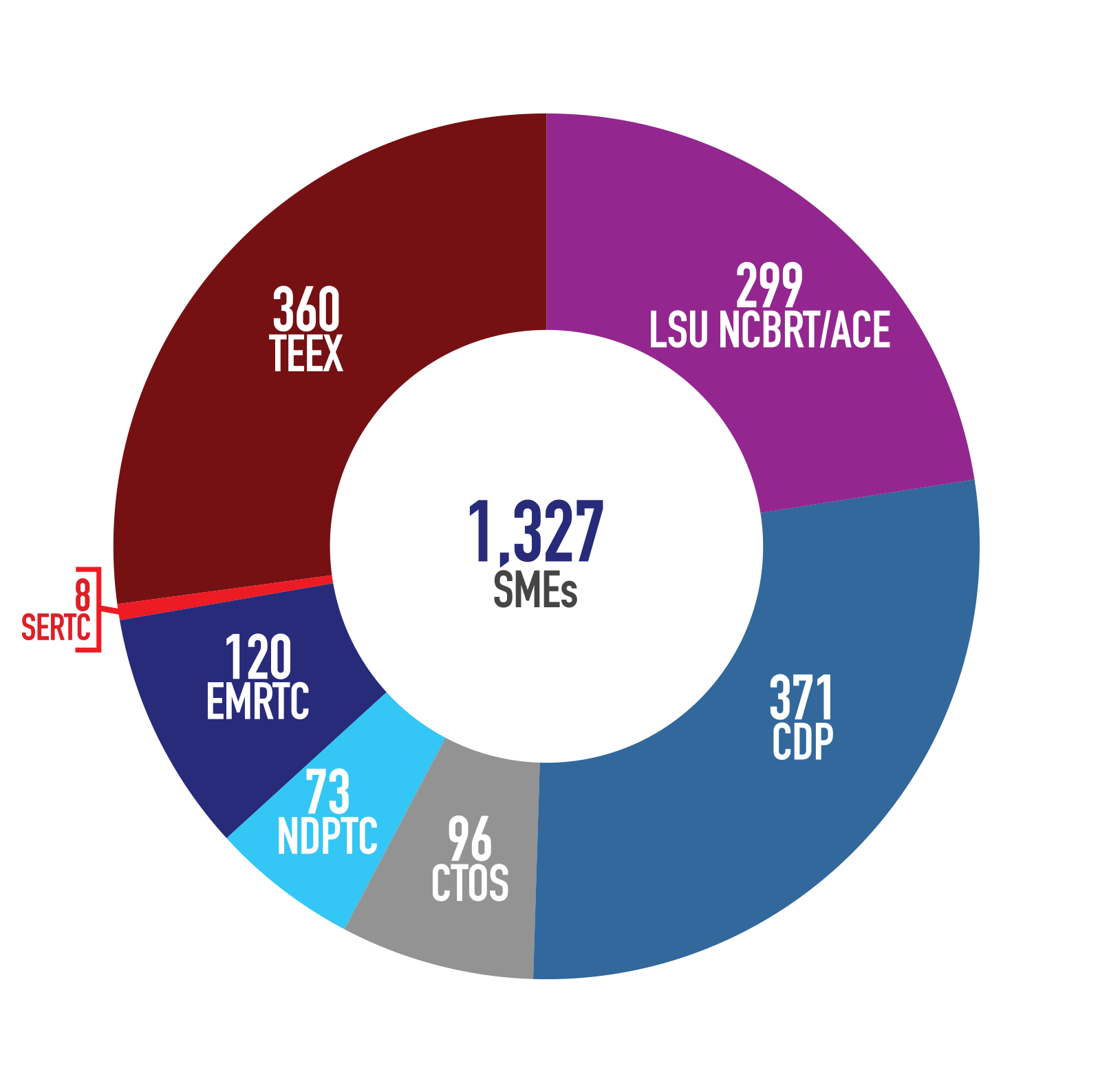
  • 1,562 subject matter experts: 443 TEEX, 371 CDP, 349 EMRTC, 240 LSU NCBRT/ACE, 96 CTOS, 53 NDPTC, and 10 SERTC.

Participants Trained By the NDPC

0 – 500
500 – 2,000
2,000 – 3,500
3,500 – 5,000
5,000 +

Making An Impact

NDPC's impact is felt nationwide through powerful, meaningful and effective training.

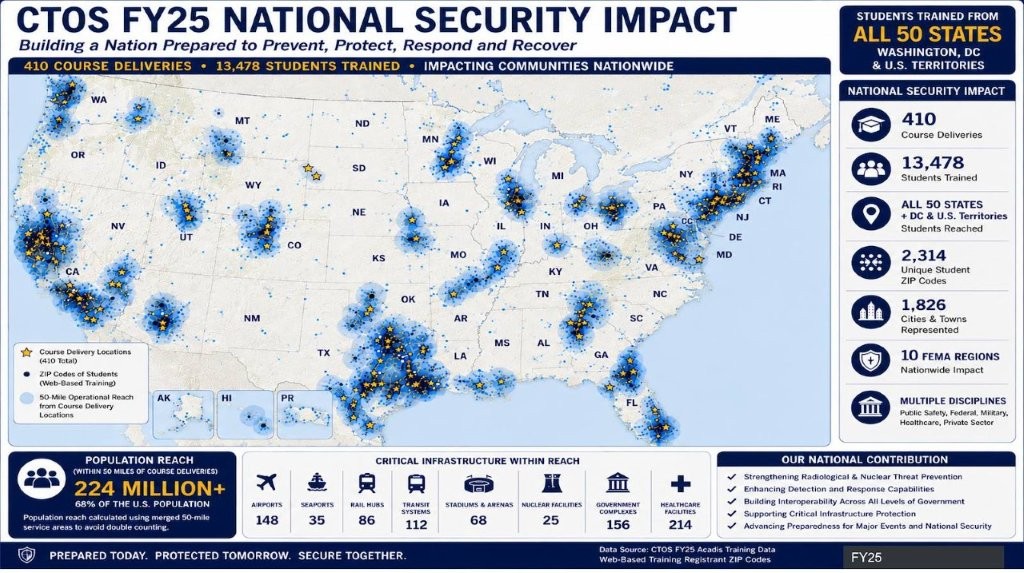
CTOS Impact
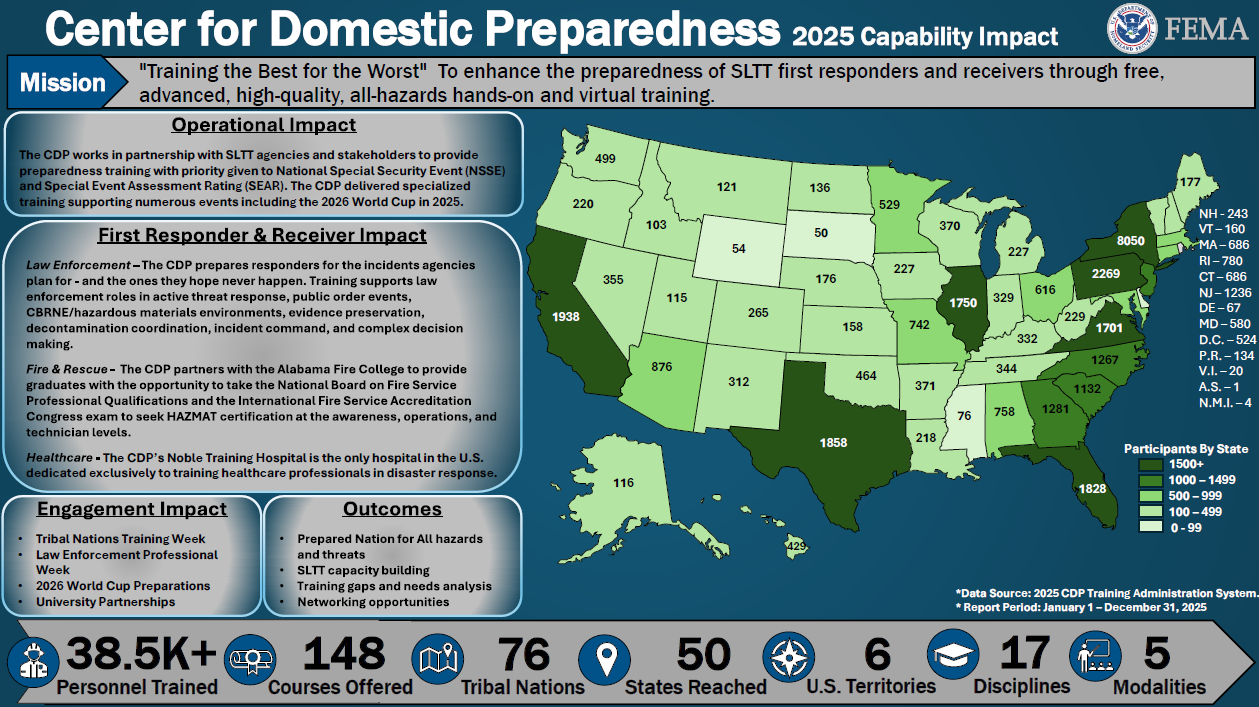
2025 Capability Impact Map

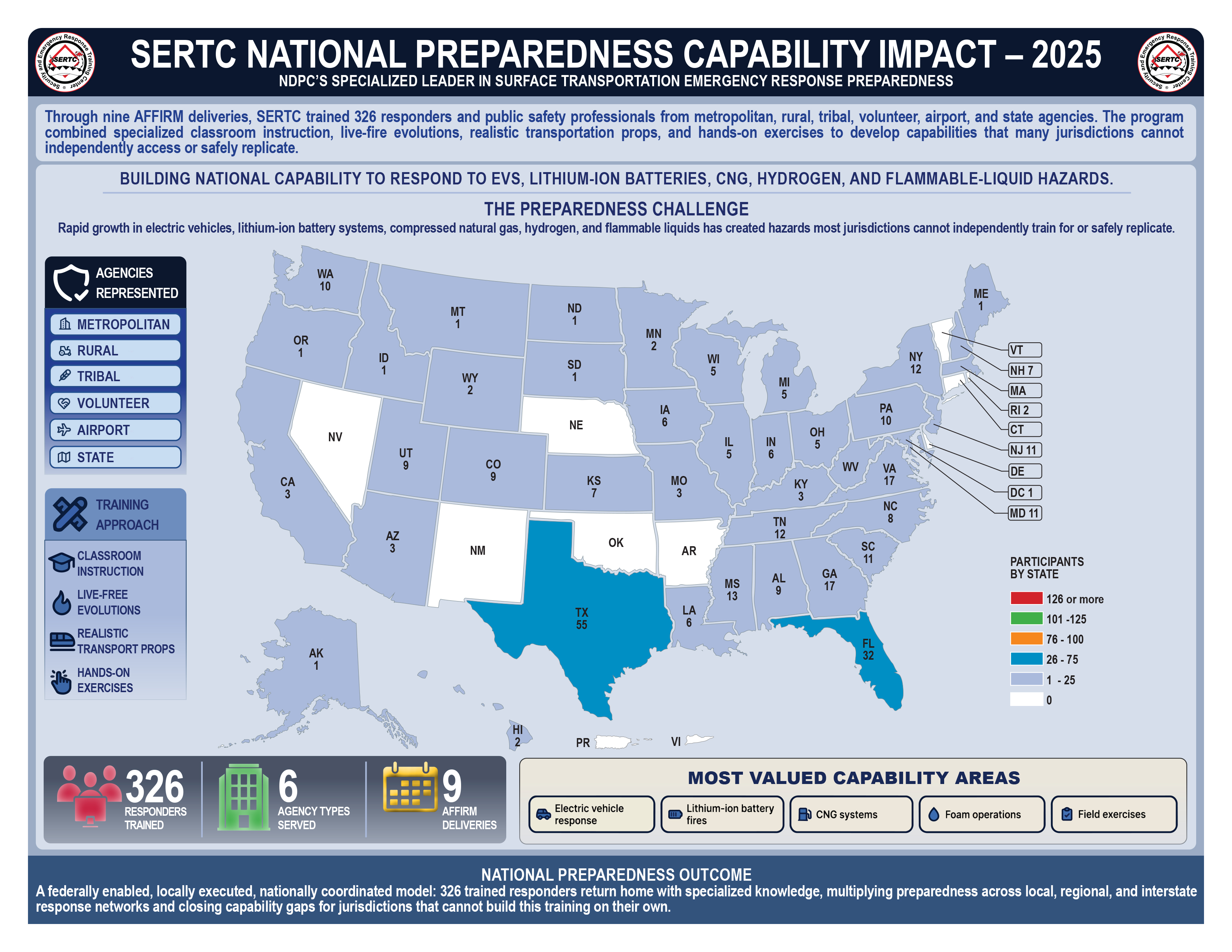
SERTC National Preparedness Capability Impact

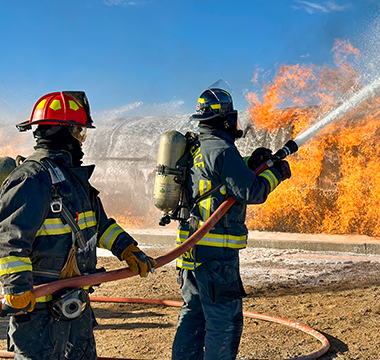
As the NDPC’s specialized leader in surface transportation emergency response preparedness, SERTC strengthened national capability in 2025 by developing and expanding the Alternative Fuels and Flammable Incident Response and Management (AFFIRM) program. The initiative addresses a growing preparedness challenge created by the rapid expansion of electric vehicles, lithium-ion battery systems, compressed natural gas, hydrogen technologies, flammable liquids, and other emerging transportation energy hazards. Through nine AFFIRM deliveries, SERTC trained 361 responders and public safety professionals from metropolitan, rural, tribal, volunteer, airport, and state agencies. The program combined specialized classroom instruction, live-fire evolutions, realistic transportation props, and hands-on exercises to develop capabilities that many jurisdictions cannot independently access or safely replicate. Participant evaluations demonstrated substantial increases in responders’ ability to recognize hazards, assess risk, select appropriate mitigation strategies, and safely manage incidents involving alternative fuels and flammable materials. Participants consistently identified electric vehicle response, lithium-ion battery fires, CNG systems, foam operations, and practical field exercises as particularly valuable areas of capability development. The national impact of AFFIRM extends beyond the 361 responders trained. Participants returned to their jurisdictions with specialized knowledge and operational experience that can be incorporated into local training, planning, and response activities. This multiplier effect expands the preparedness workforce and strengthens local, regional, and interstate response capability. By providing nationally accessible expertise and specialized training infrastructure, SERTC reduced capability gaps among jurisdictions that otherwise have limited access to advanced transportation emergency response training. Through AFFIRM, SERTC demonstrated the value of a federally enabled, locally executed, nationally coordinated preparedness model that develops specialized capabilities and distributes them across the nation. National Preparedness Outcome: SERTC expanded the nation’s specialized workforce capability to safely manage emerging transportation energy and flammable-material incidents while extending advanced training and operational expertise to jurisdictions unable to independently develop or sustain these capabilities.

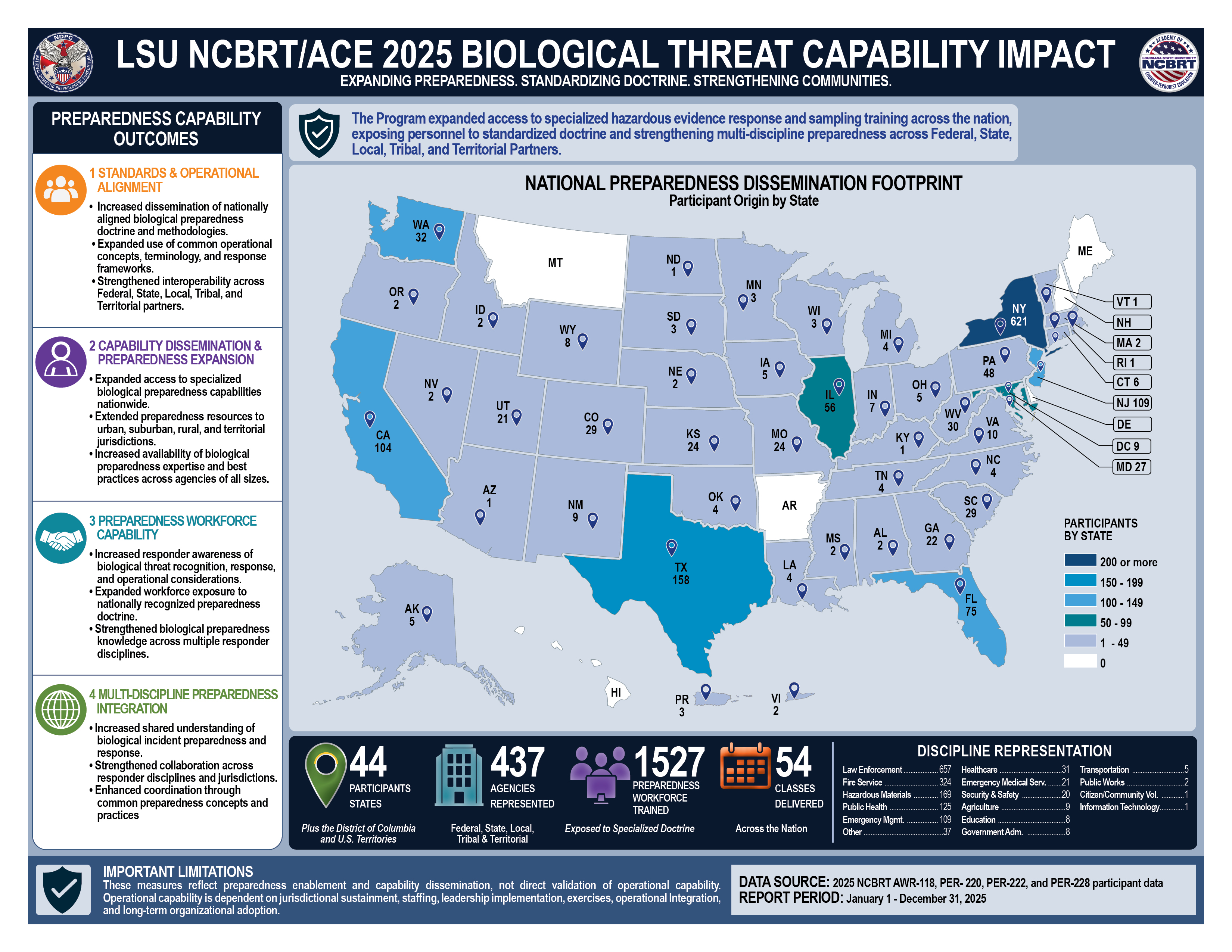
NCBRT 2026 Biological Threat Capability Impact

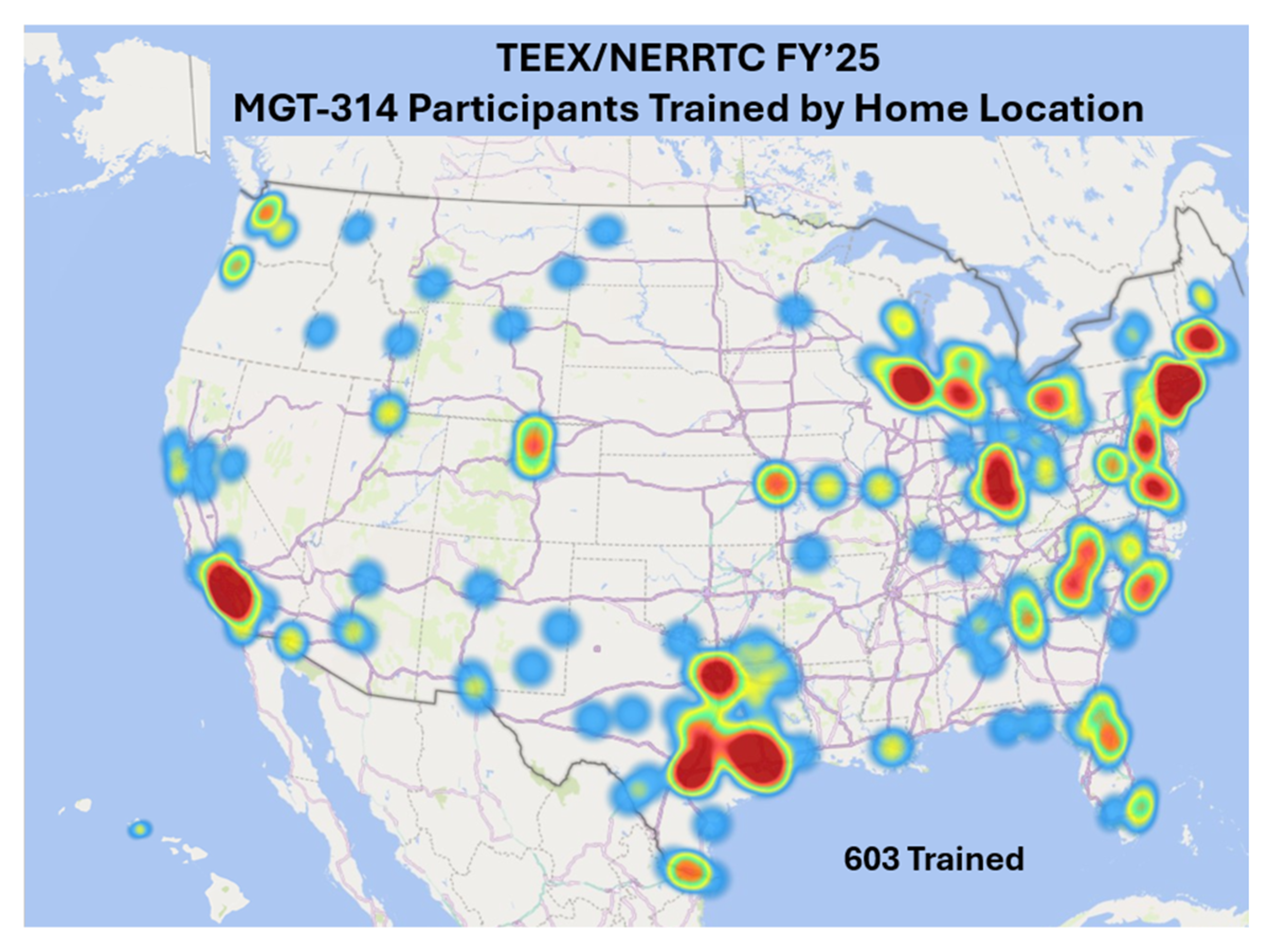
TEEX/NERRTC MGT-314 National Operational Impact

The Texas A&M Engineering Extension Service’s (TEEX) National Emergency Response and Recovery Training Center (NERRTC) strengthens national preparedness by enhancing state, local, tribal, and territorial (SLTT) capabilities to manage complex, expanding all-hazards incidents within an Incident Command System (ICS) Unified Command structure. The Enhanced Incident Management/Unified Command for All Hazards course (MGT-314) integrates TEEX/NERRTC’s core competencies, incident management, crisis communications, infrastructure protection, and executive decision-making, into a cohesive and unified operational decision-making framework. MGT-314 serves as the capstone course for the TEEX/NERRTC Incident Management Training Program, a multidisciplinary, integrated response-focused program. This program includes nationally required foundational ICS training, as well as specialized incident management training for sport and special events, cybersecurity incidents, and active shooter and complex incidents.


Unique Mission and Subject-Matter Expertise

MGT-314 is an intensive, simulation-based, multidisciplinary course designed to develop SLTT capacity to operate effectively within a Unified Command structure during complex incident expansion. Delivered through a computer-driven simulation featuring progressively complex scenarios, the course emphasizes incident management processes, clear delineation of staff roles and responsibilities, operational coordination and communications, and structured decision-making in a dynamic and evolving environment. Rather than focusing on a single hazard or functional area, the course develops cross-functional coordination skills, preparing participants to manage interconnected and rapidly changing incident conditions.


National Preparedness Impact

As the capstone of the Incident Management Training Program, MGT-314 strengthens national preparedness by improving SLTT interoperability and coordination during complex, multi-agency incidents. The training enhances participants’ ability to integrate command and coordination, resource management, and communications and information management into a unified decision-making framework as incidents evolve. This integrated approach improves overall resilience in real-world operations, where public safety, infrastructure, and information challenges often occur simultaneously.


Capability Outcomes

Operational use of MGT-314 has been demonstrated in real-world incidents, including a major wildfire response in Los Angeles, California. Multiple Los Angeles Police Department personnel who completed the course served in Incident Management Team roles supporting active operations. During rapidly evolving conditions that required evacuation decisions, interagency coordination, and resource prioritization, trained personnel applied ICS principles reinforced through simulation-based training. The operational environment closely mirrored course scenarios, allowing participants to directly apply their training in real time. Participant-reported outcomes included: • Improved clarity in command post operations during rapidly changing incident conditions. • Enhanced coordination between law enforcement and fire service partners within a Unified Command structure. • More effective alignment of evacuation decision-making and life-safety priorities under time constraints. These outcomes demonstrate strengthened proficiency and improved capability to manage complex, high-consequence incidents.


Distinct Training

TEEX/NERRTC provides a distinct capability in simulation-based, integrated incident management training by bringing multiple functional areas together within a Unified Command-focused decision-making environment. This approach enhances operational performance and strengthens interoperability across jurisdictions.

2025 Capability Impact Map
TEEX Impact Map
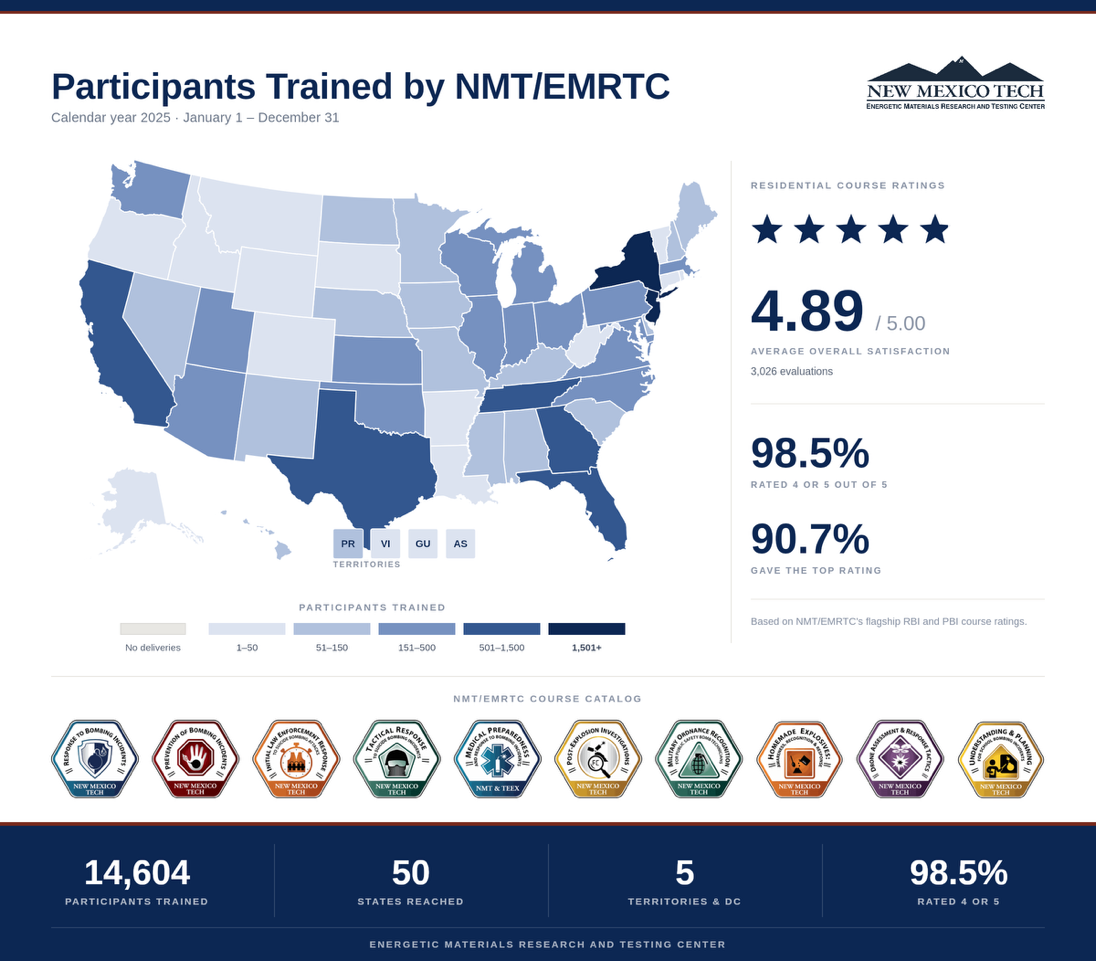
Participants Trained by NMT/EMRTC
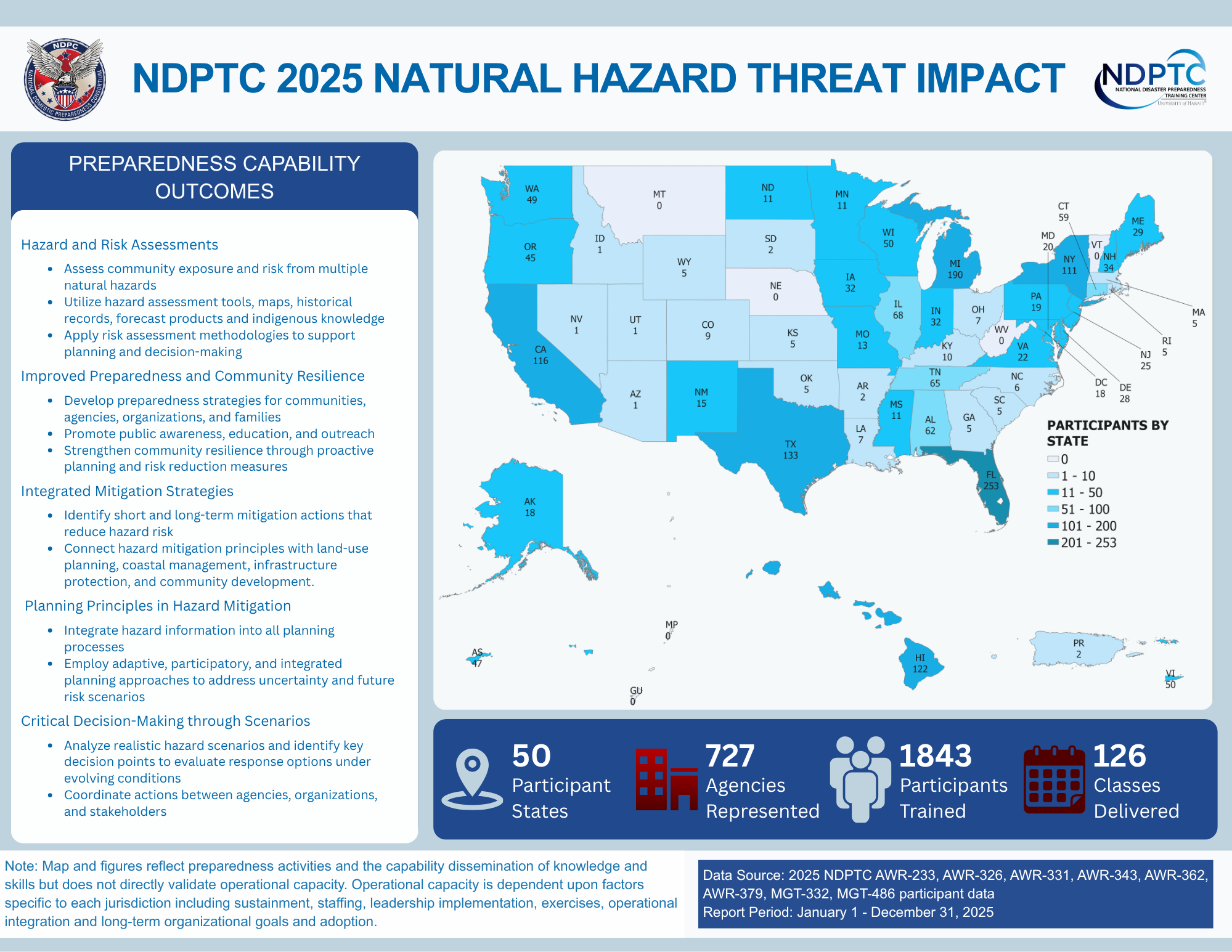
NDPTC 2025 Natural Hazard Threat Impact
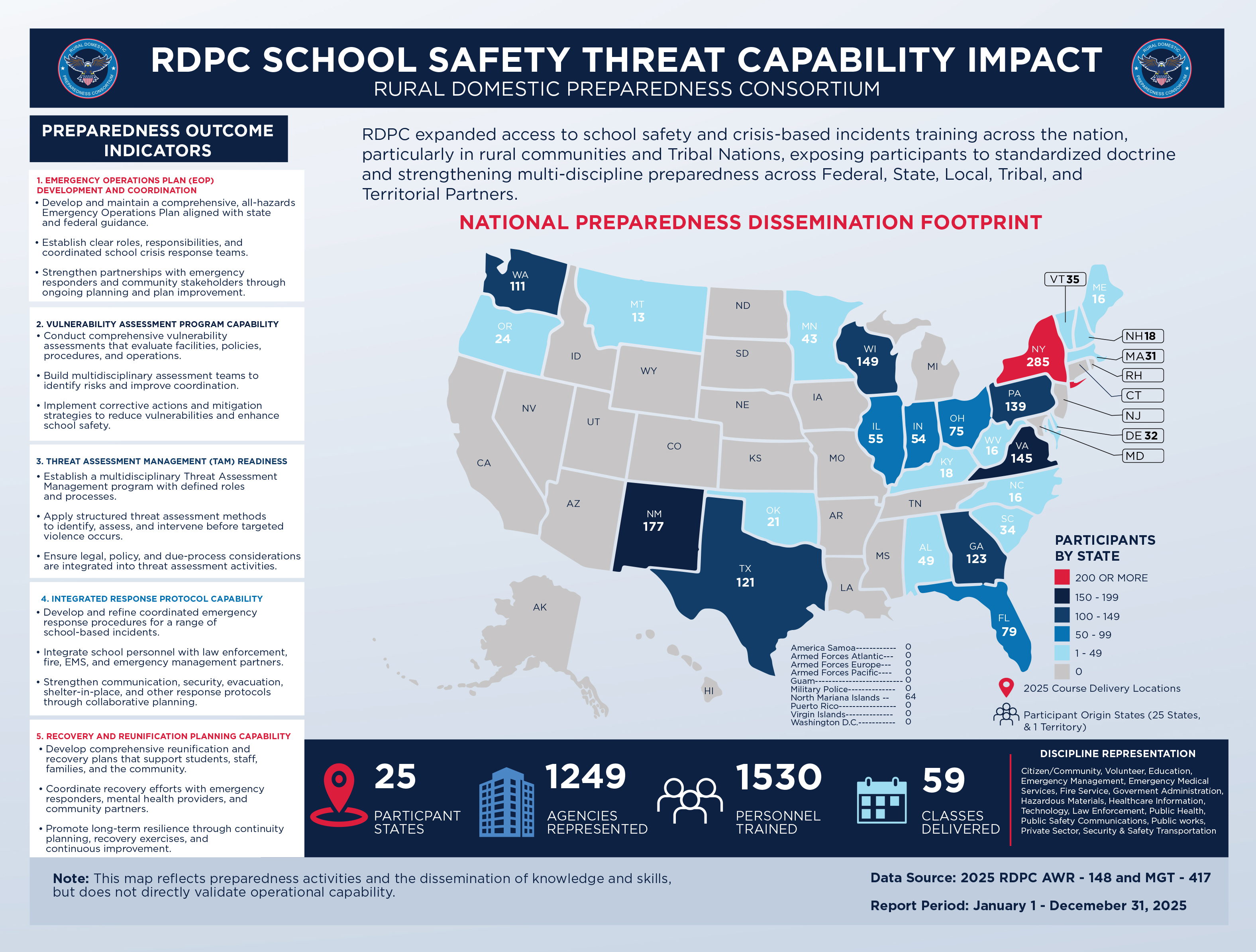
RDPC School Safety Impact Map
*RDPC is an institutional partner